Research and records
We organize folk tales, place names, and oral traditions as materials for future storytelling.
About Monpe no Kai
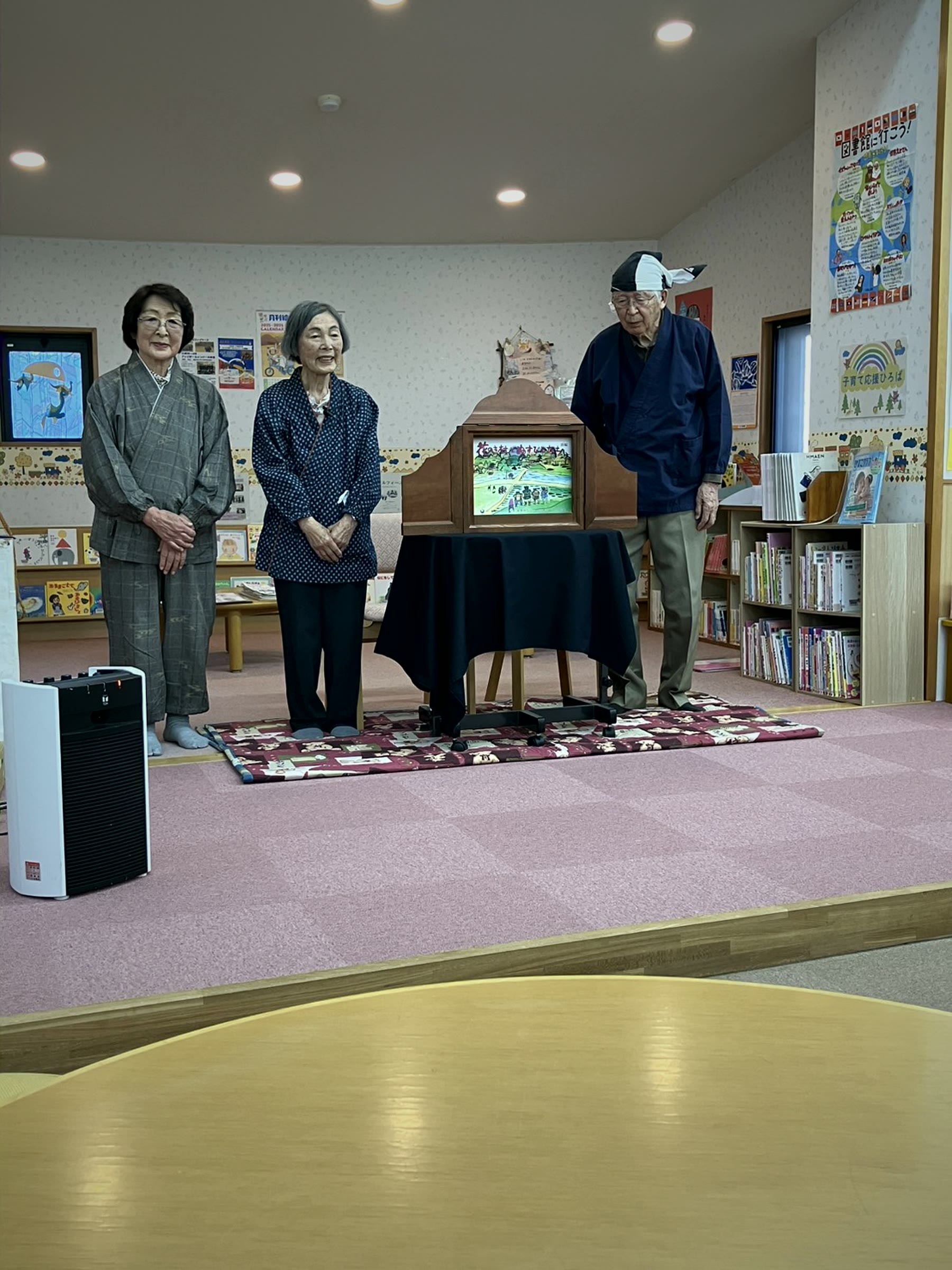
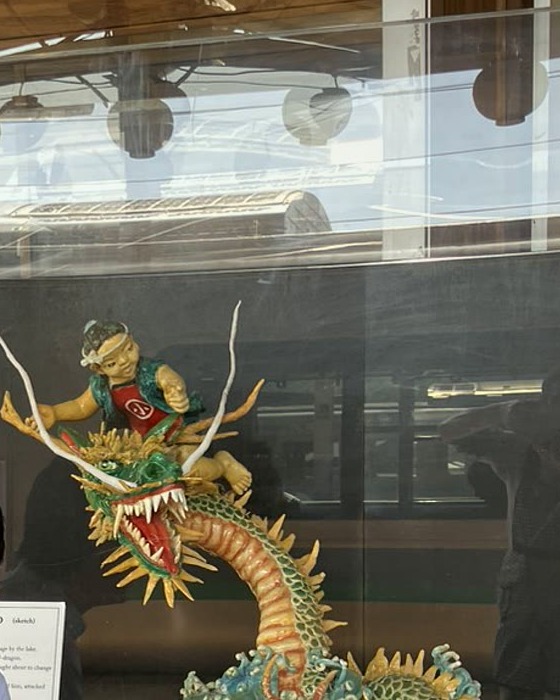
Monpe no Kai researches, tells, and preserves folk tales from Omachi and Azumino together with handmade clay dolls. We hand local memory to children, residents, and visitors who will meet Omachi in the future.
 Records of voice and craft
What we value
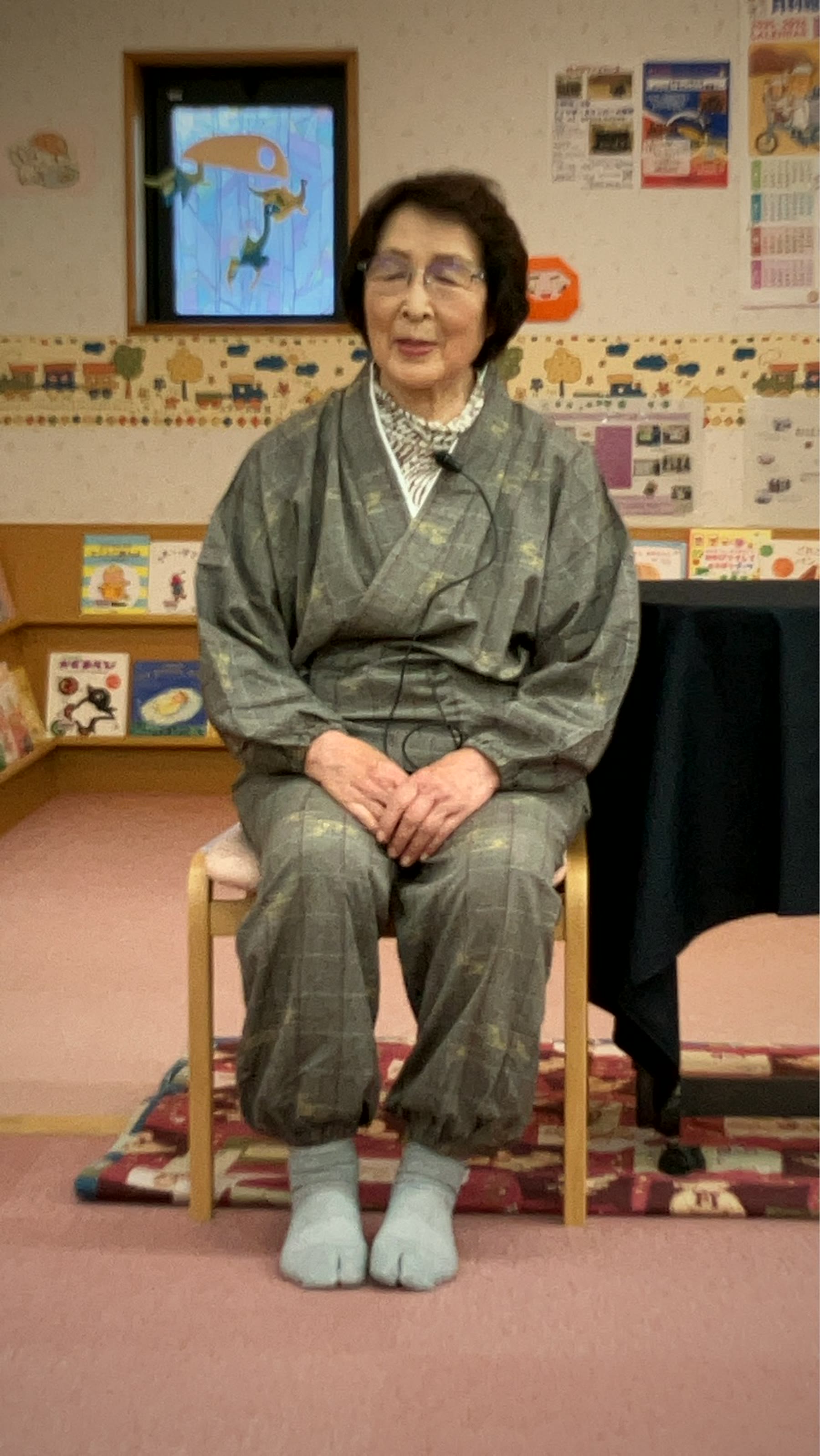
Folk tales carry local life, place names, views of mountains and rivers, and everyday wisdom. Monpe no Kai keeps those stories alive through voice, clay dolls, exhibits, and activity records.
It is difficult to preserve every clay doll as a physical object forever. That is why we also keep their forms in photographs, text, audio, and web pages so the stories can still be found later.
Activities
We organize folk tales, place names, and oral traditions as materials for future storytelling.
We tell stories at libraries, schools, care facilities, community gatherings, and events.
Even dolls that cannot remain physically are documented with photographs and context.
We visit schools, salons, tourist trains, and local events with stories and displays.
We join local events and learning sessions to create exchange across generations.
We prepare public records from approved photographs, recordings, and exhibit notes.
Next-generation supporters
People who want to listen, help record photographs or audio, support web publishing, introduce local venues, or protect regional culture are welcome. You do not need to become deeply involved at once; observation, event help, and small record-keeping roles are good first steps.
Start by listening to folk tales.
Photograph and note the figures while they can still be preserved.
Share photographs and activity records through the group’s communication.
Support photographs, audio, notes, and web organization.
Ways to support activity and preservation costs will be prepared with the group.
Help connect schools, facilities, local events, and tourism partners.
Contact
Inquiries are received through Google Forms. After reviewing the details, a person in charge will reply. The form is intended to accept Japanese, English, Traditional Chinese, Simplified Chinese, and Korean inquiries.
The button opens Google Forms in a new tab.