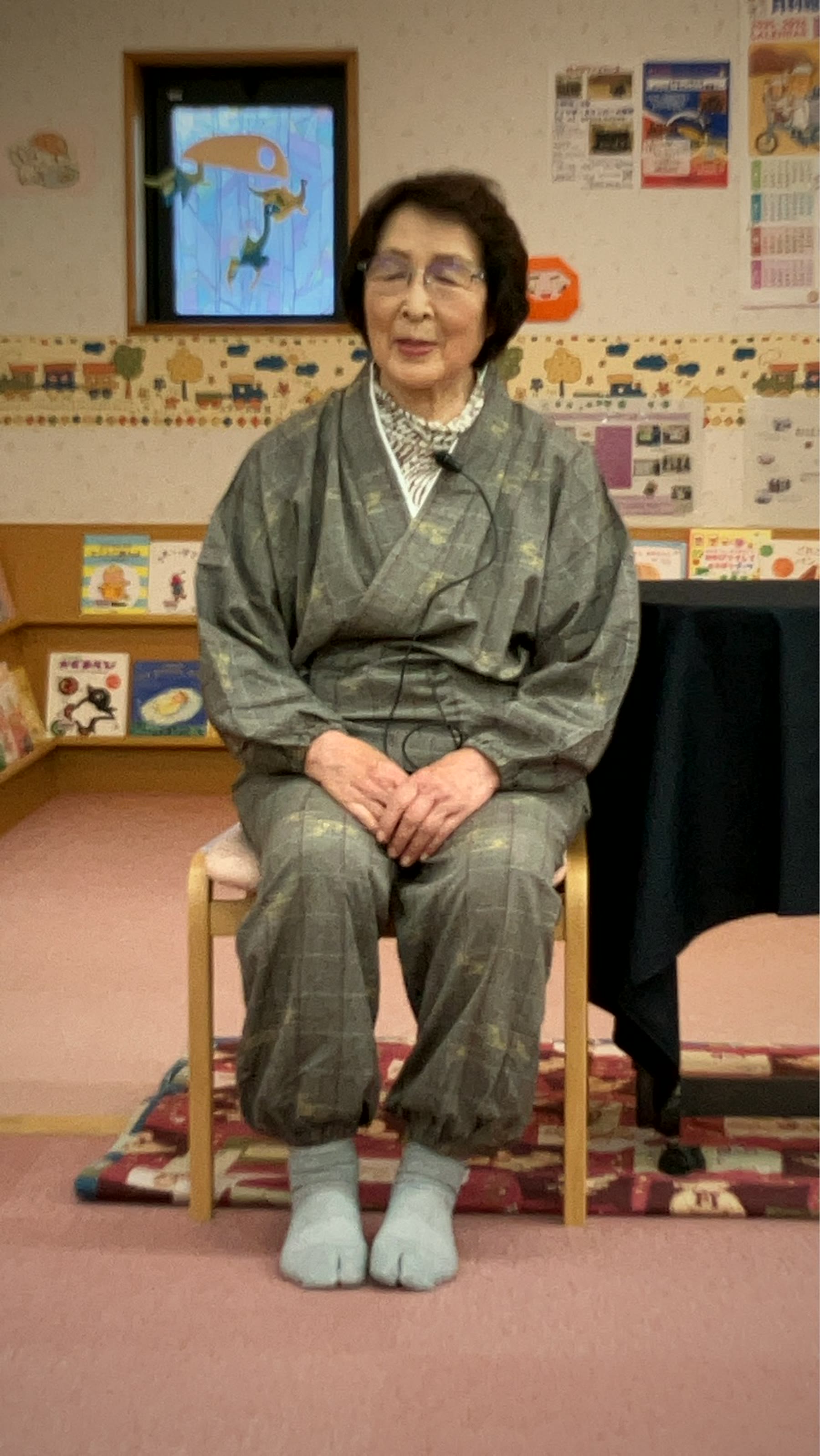
Storyteller
Passing folk tales in one’s own voice.
At libraries and community spaces, storytellers choose the pace and words for the listeners in front of them.
Storytellers and makers
Monpe no Kai continues through voices that tell folk tales, hands that make clay dolls, and records kept in photographs and words. This page introduces each person’s role and feelings little by little.
Purpose of this page
Folk tales have been inherited not only as text but also with tone, pauses, laughter, and hand movements. These profiles are not just biographies; they are entries into why each person works with the stories.
We will introduce storytelling, doll making, and record-keeping through photographs and short words.
Introductions
At libraries and community spaces, storytellers choose the pace and words for the listeners in front of them.
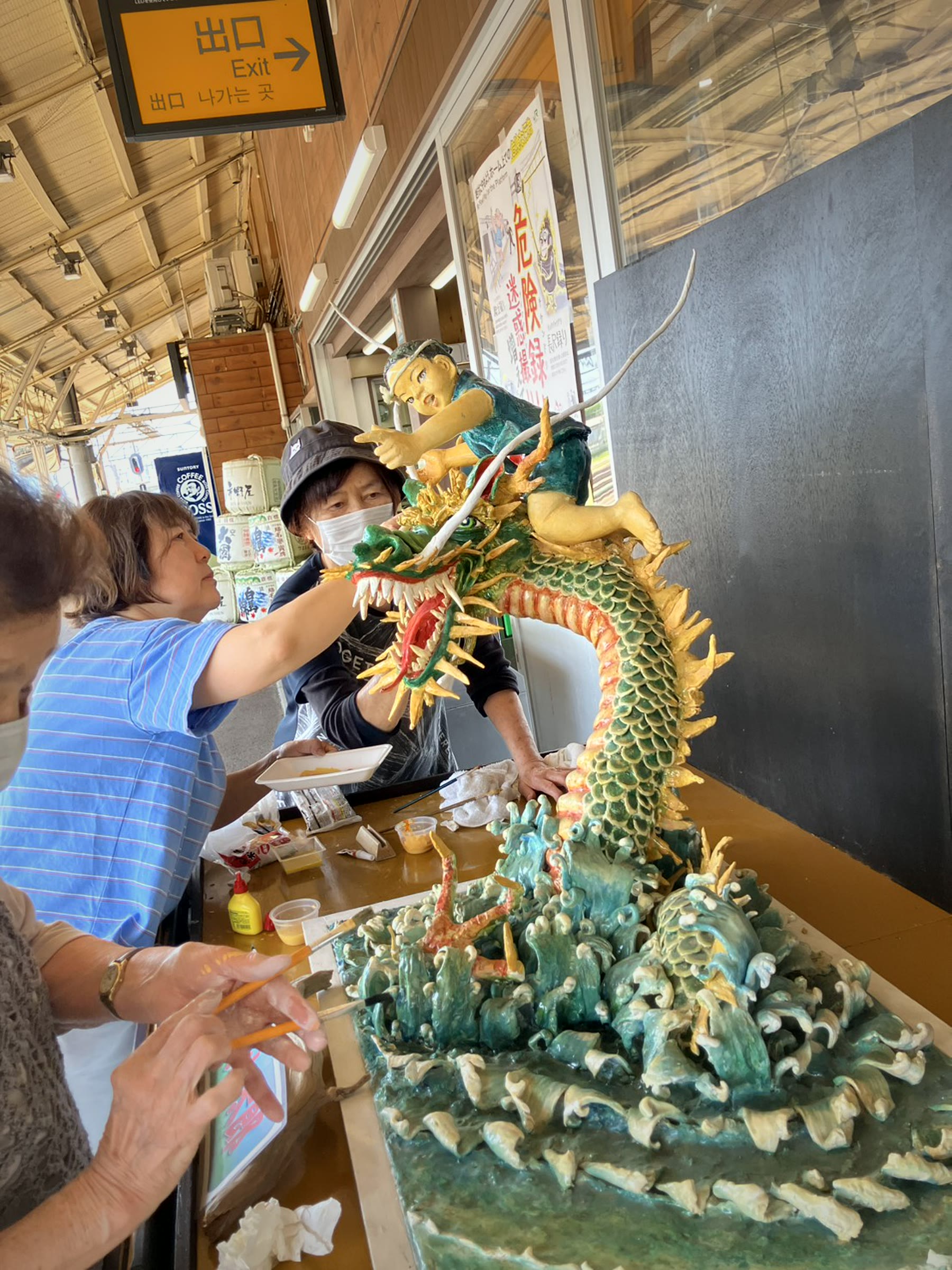
Clay dolls and exhibits show scenes from folk tales. We will record the ideas, materials, and repair notes in the makers’ words.
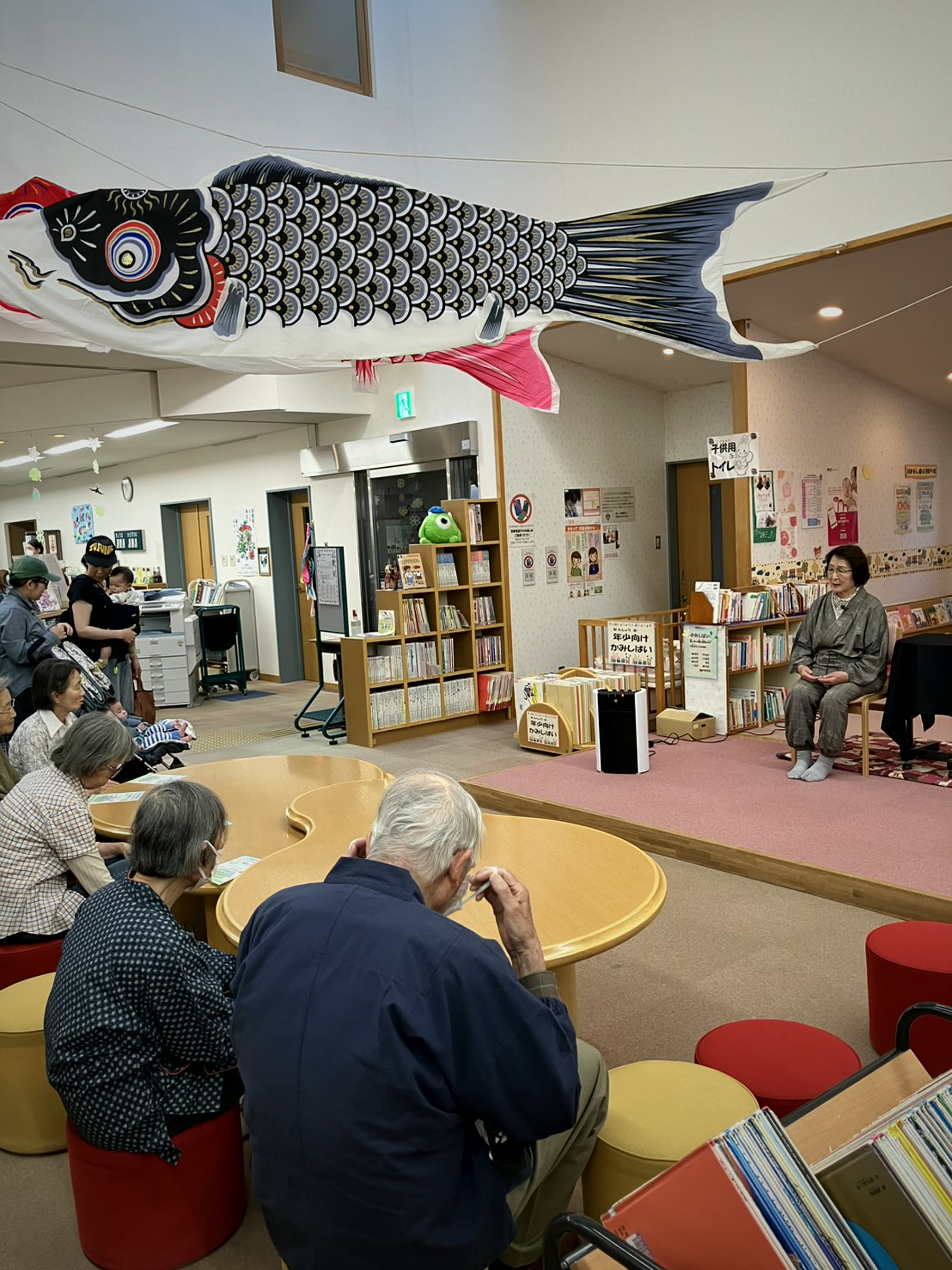
Photographs, recordings, notes, and web pages help the moment remain traceable beyond the people who were there.
Names, photographs, and short introductions will be prepared carefully, then connected to individual pages one by one.
A childhood story heard from a grandmother, handed to the next child in one’s own voice.
One figure can take three months. The shelf grows a few figures at a time.
Visiting elders, listening to old stories, and keeping handwritten notes.
Member introductions will be added slowly and carefully.
What we want to keep next
What I care about when telling this story.
A memory from making this doll.
An Omachi landscape I want the next generation to remember.